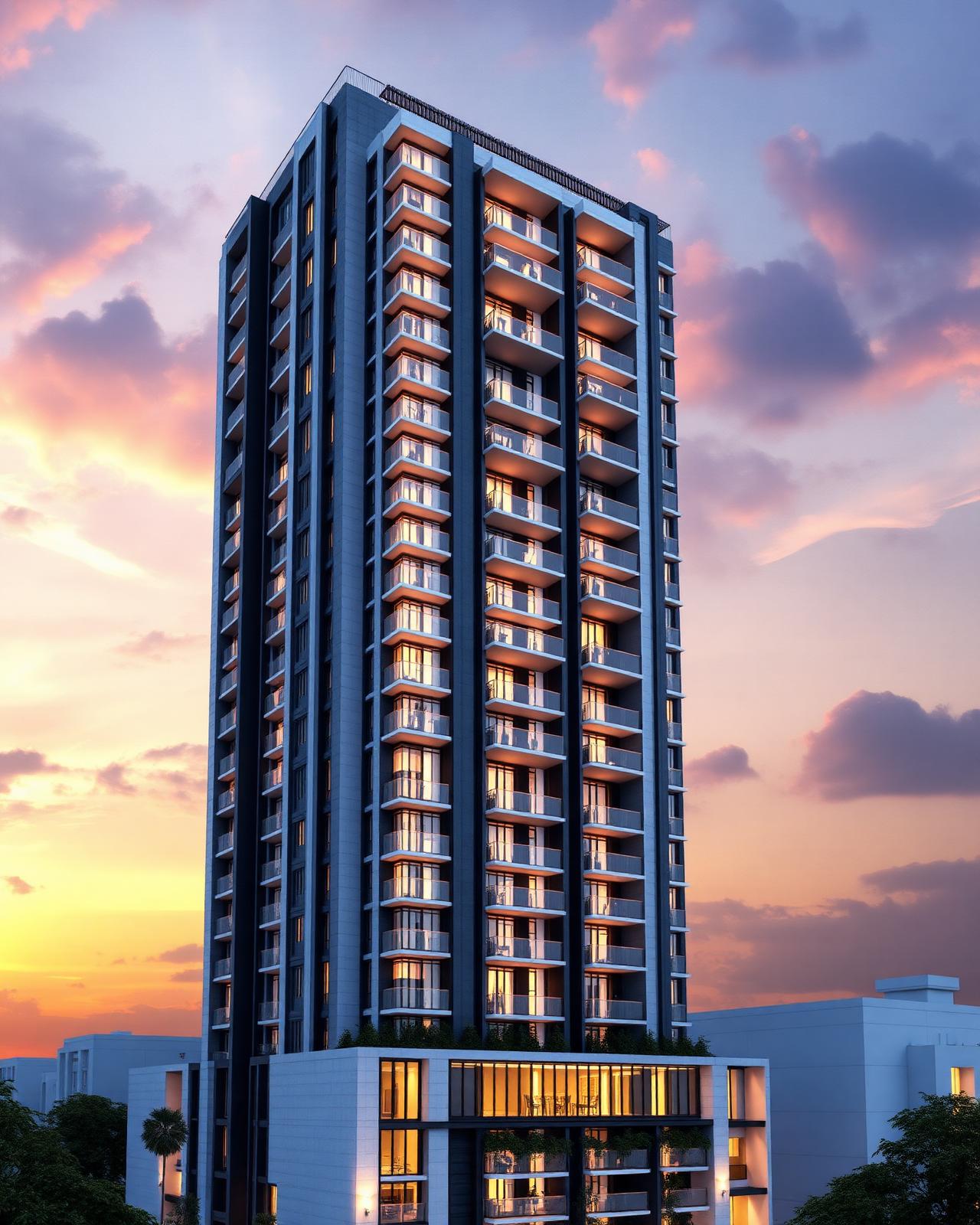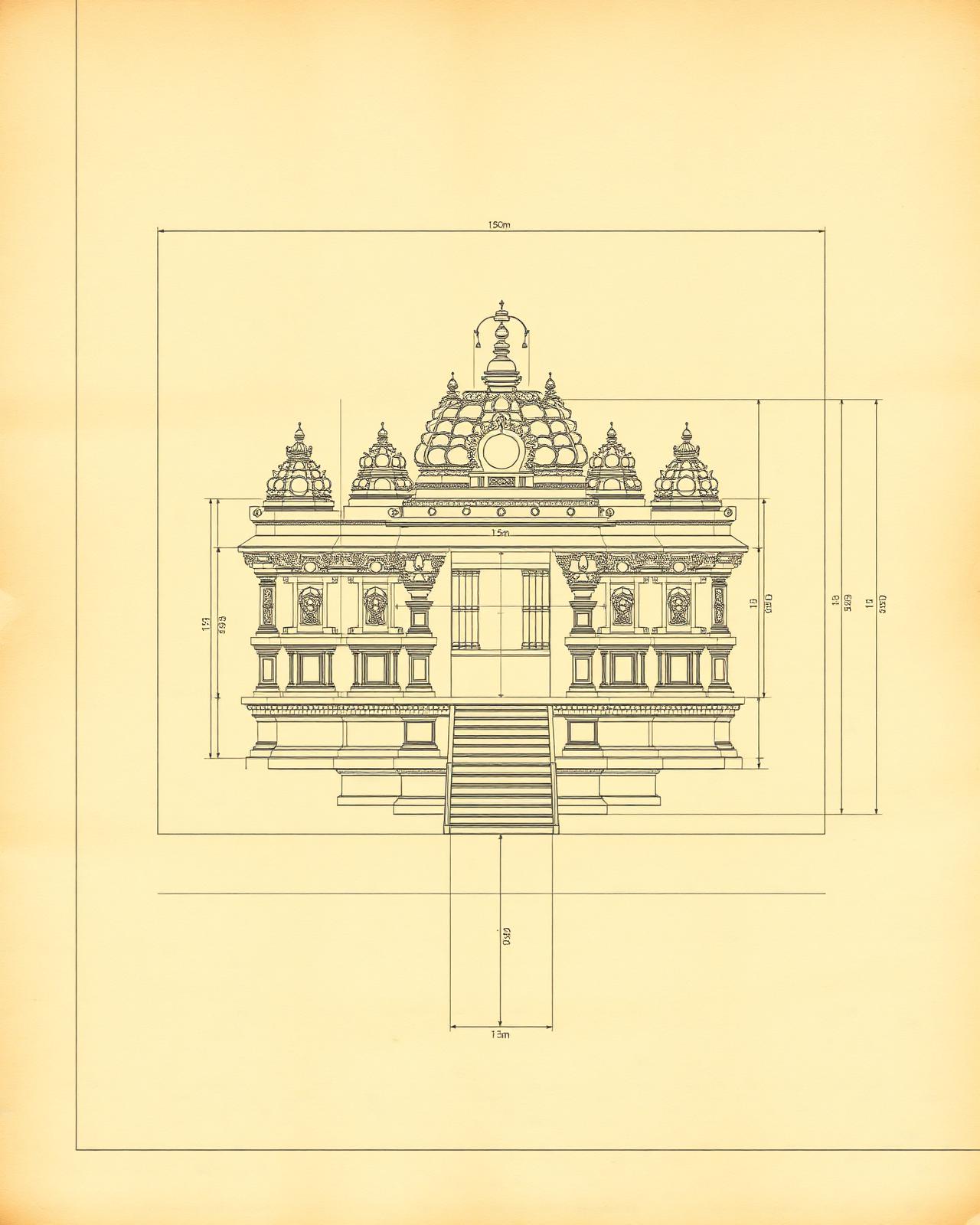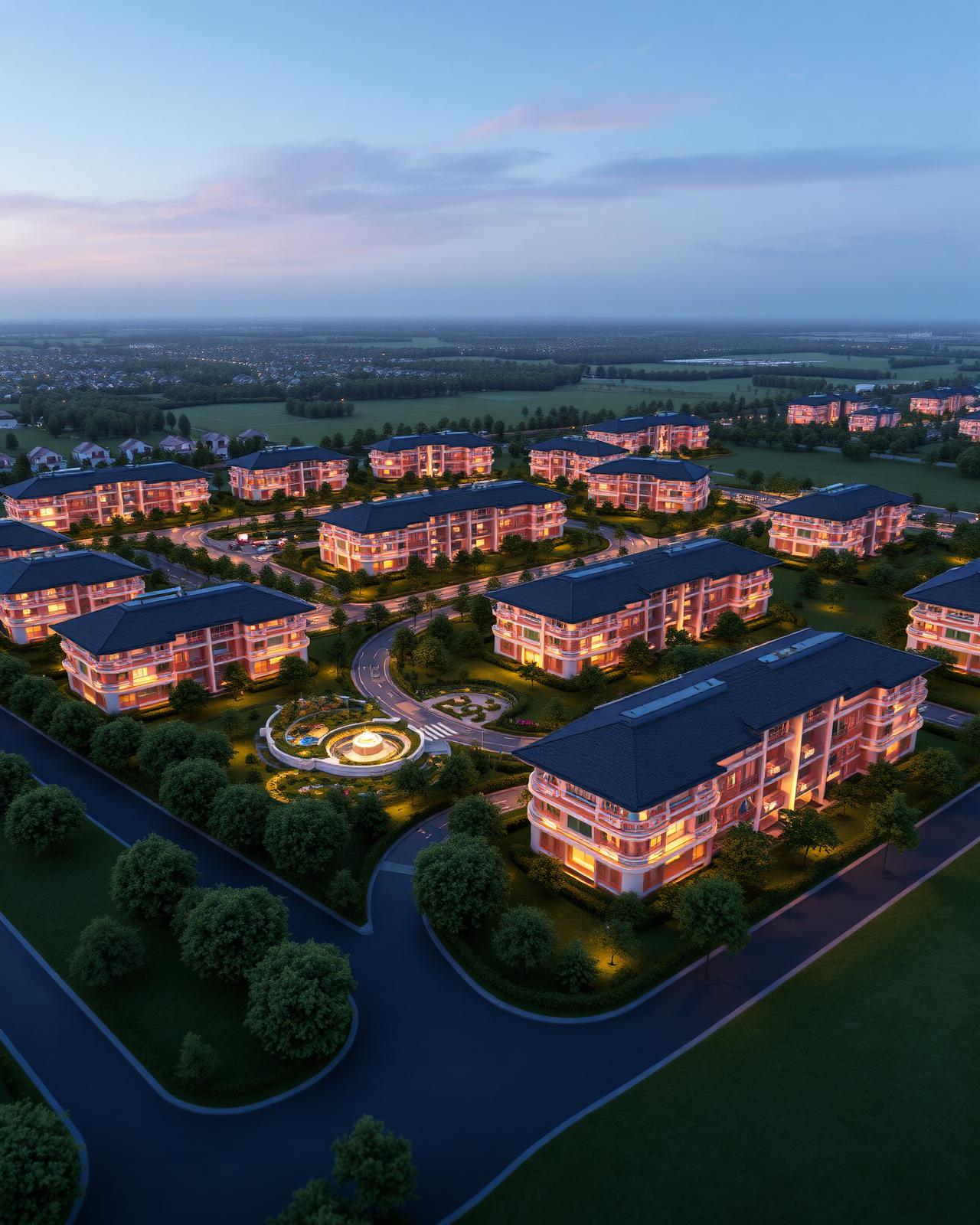
When one studio quotes US$900 and another quotes US$3,800 for the same image, both are reading the brief honestly. These are the seven variables they're reading differently.
Send the same brief to four studios and you will get four quotes, often spanning a 4× range. Clients reasonably ask whether someone is wrong. Usually no one is — the studios are reading seven variables in the brief differently, and each reading is defensible. Here is what those variables are, in the order they affect the final price.
1. Fidelity tier
A photoreal hero image and a stylised concept frame share a model but not a production process. One studio reads the brief as concept; another reads it as hero. They are quoting two different products. Always state the fidelity tier — concept, marketing, hero, signature — in the brief.
2. Source-model condition
A clean Revit or ArchiCAD model with named materials and a current site survey takes a quarter of the modelling time of a PDF set with conflicting elevations. Studios that assume worst-case input quote high; studios that ask first quote tight. If your CAD is clean, say so.
3. Number of revision rounds
Two rounds is the implicit industry standard, but it is rarely stated. A studio that bakes in three rounds quotes 15 to 25 per cent higher than one that bakes in two. Specify the number in the brief and you remove the variance.
4. Lighting condition
Dawn, day, dusk and night are not interchangeable. Each adds its own lighting and post pass. A brief that says "twilight if possible" gives one studio permission to default to daylight (cheap) and another to budget for a full dusk pass (right answer, more expensive).
5. Entourage and context
Generic library entourage is free. Bespoke local context — accurate neighbouring buildings, real trees from the site survey, brand-specific signage — is not. A studio that quotes for library entourage and a studio that quotes for bespoke context will land 30 to 60 per cent apart on the same frame.
6. Turnaround
Standard turnaround for a single photoreal still is two to three weeks. Compress to five working days and expect a 30 to 50 per cent rush premium. Some studios bake the assumption that the client will rush; others quote standard and add rush fees later. Stating the deadline upfront flushes this out.
7. Usage rights
The most invisible driver. A render used on a planning submission, an Instagram post and a Times Square billboard are not the same licence. Studios that ask about usage upfront price accordingly. Studios that don't ask either over-price defensively or under-price and renegotiate later. Tell the studio what the image is for.
A brief that gets you tight, comparable quotes
- Fidelity tier: concept, marketing, hero or signature.
- Source files you can provide, with format and condition.
- Number of revision rounds you will pay for.
- Time of day and weather for each frame.
- Entourage expectation: library or bespoke local context.
- Deadline, with the rush band stated.
- Usage rights: where and for how long the image will appear.
A brief that covers all seven will reduce the range of incoming quotes from 4× to roughly 1.4×. That is the band where studios are actually competing on craft, not on assumptions.
Frequently asked questions
Why do two architectural rendering studios quote such different prices for the same brief?+
Because they are reading seven variables differently: fidelity tier, source-model condition, number of revision rounds, lighting condition, entourage and context, turnaround speed, and usage rights. Each variable can shift the price 15 to 50 per cent. A brief that leaves any of them open gives each studio room to assume — and their assumptions diverge.
What's the single biggest hidden cost driver in a rendering quote?+
Source-model condition. A clean Revit or ArchiCAD file with named materials cuts modelling time by 60 to 75 per cent compared to a PDF set with conflicting elevations. Studios that assume worst-case input quote defensively high; studios that confirm clean input quote tightly. Stating CAD format and quality in the brief is the fastest way to compress quote variance.
Are cheap rendering quotes always lower quality?+
Not always — sometimes a cheap quote is a studio reading the brief as a lower fidelity tier than the client intended. Other times it is offshore production or a stock-entourage assumption that the final image will reveal. Ask the studio which fidelity tier and entourage assumption they priced. If the answers don't match your intent, the price is misleading regardless of the headline number.
How do usage rights affect rendering cost?+
An image licensed for a single planning submission, a social post for one month, and a billboard campaign for two years are three different products. Studios that ask about usage upfront price for the actual licence. Studios that don't ask either pad defensively or under-price and renegotiate later. Telling the studio where the image will appear and for how long produces both a fairer price and a cleaner contract.
Work with the studio
Ready to commission a project?
Skanda Designs produces architectural visualization, 3D rendering and film for architects, developers and luxury brands worldwide.
Written by Skanda Studio · Architectural visualization team