Most clients assume exteriors cost more because they're bigger. Inside a studio it's usually the other way around — and here's exactly why.
Almost every new client asks the same question when they get a first quote back: why does this interior cost more than the exterior of the same building? The intuition is that exteriors are bigger, so they should cost more. Inside a studio, the maths runs the other way — and the gap is usually larger than the brief suggests.
Here is what the 2026 numbers actually look like, and the four production reasons interior architectural rendering tends to carry a 20 to 40 per cent premium over an equivalent exterior.
The 2026 price comparison
- Exterior still, mid-market: US$1,500 – US$3,500 per frame.
- Interior still, mid-market: US$1,800 – US$4,500 per frame.
- Exterior still, high-end / hospitality: US$3,500 – US$6,500.
- Interior still, high-end / hospitality: US$4,500 – US$8,500.
- Signature hero (either): US$6,500 – US$20,000+, with interiors trending slightly higher when material spec is luxury.
Bundle five or more frames from the same model — common on a residential development — and per-frame cost drops 30 to 40 per cent on both sides, but the interior premium persists.
Why interiors cost more to produce
1. Materials per square metre
An exterior frame might use eight to twelve distinct materials: cladding, glazing, paving, landscape elements, sky. An interior frame routinely uses forty to seventy: timber species, stone veining, fabric weaves, metal finishes, joinery hardware, soft furnishings, art, books, ceramics. Each one has to be authored or sourced, scaled correctly, and lit. Material count is the single biggest cost driver inside an interior.
2. Lighting complexity
Exterior lighting is dominated by one giant source: the sun. A studio lights an exterior by picking a time of day. Interior lighting is layered — daylight through openings, decorative fittings, architectural coves, task light, accent light, fire — and the path each photon takes is bounced through coloured materials before it reaches the camera. Render times for the same resolution typically run two to three times longer inside.
3. Furniture, styling and prop placement
An exterior usually composes with landscape, people and vehicles — much of which can be drawn from curated entourage libraries. An interior composes with furniture and styling chosen for this room, in this scheme, for this audience. A senior designer typically places and dresses each interior frame personally; that time is the second-largest line on the quote.
4. Camera discipline
An interior camera lives inside a box six metres across, with lenses that distort easily and walls that demand careful framing. Cameras get revised more often, and each revision invalidates the lighting and dressing already done. Two extra camera rounds on an interior cost noticeably more than two extra rounds on an exterior.
When exteriors actually cost more
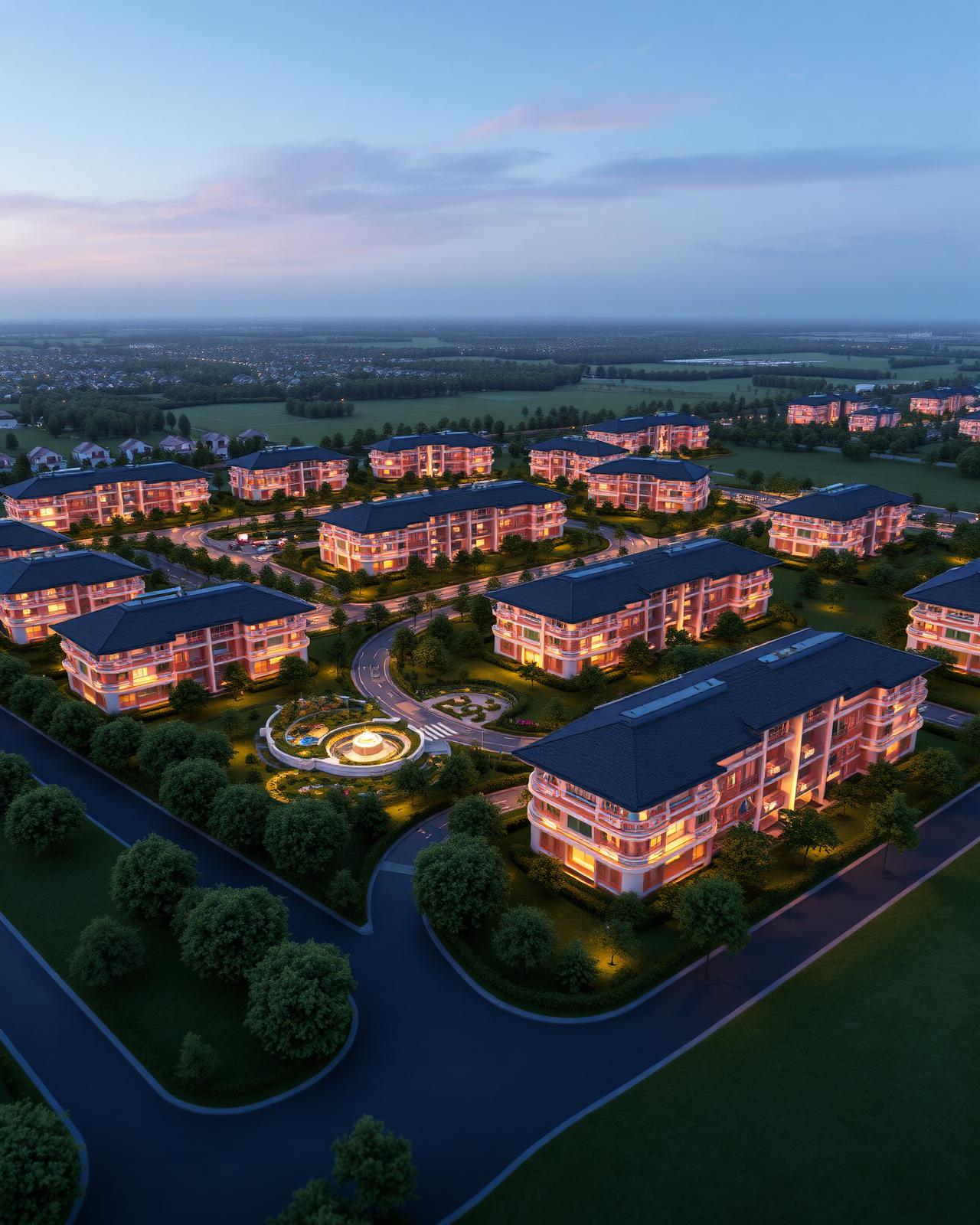
Three situations flip the maths: aerials of large masterplans (heavy context modelling), verified views for planning submissions (surveyed-camera composition onto site photography), and twilight or night exteriors with custom lighting design across a full façade. Any of these can lift an exterior above the equivalent interior.
How to brief for predictable pricing
If you are commissioning a mixed set, state the room types, the material palette tier (standard, premium, luxury), and the lighting condition for each frame at quote stage. A studio that knows it is rendering a luxury kitchen at golden hour with custom joinery prices tightly; one that sees only "interior render" prices wide and high to protect itself.
Frequently asked questions
Does interior architectural rendering really cost more than exterior?+
Yes — typically 20 to 40 per cent more for an equivalent fidelity tier. Interior frames use 4 to 6× more distinct materials, require layered lighting design (daylight, decorative, architectural, task, accent), and need bespoke furniture and styling on every camera. Exteriors lean on sun-driven lighting and curated entourage, both of which compress production time.
Are there exteriors that cost more than interiors?+
Three flip the maths: large masterplan aerials with heavy context modelling, verified views for planning submissions (where the building is composited onto surveyed site photography), and twilight or night exteriors with bespoke façade lighting design. Each of these can push an exterior above the equivalent interior.
How can I reduce the cost of an interior render?+
Commission a bundle from one model rather than one-off frames, lock the camera before lighting and dressing begin, agree the material palette tier in the brief, and decide the time of day early. Each of these removes a category of expensive rework that otherwise lands in revisions.
Why does the same studio quote different prices for similar-looking rooms?+
Two rooms of the same size can differ by a factor of three in production time depending on material count, lighting condition, and how much custom furniture is being shown. A luxury kitchen with bespoke joinery at golden hour is not the same product as a daylit bedroom with off-the-shelf furniture, even if the floor plan is identical.
Work with the studio
Ready to commission a project?
Skanda Designs produces architectural visualization, 3D rendering and film for architects, developers and luxury brands worldwide.
Written by Skanda Studio · Architectural visualization team