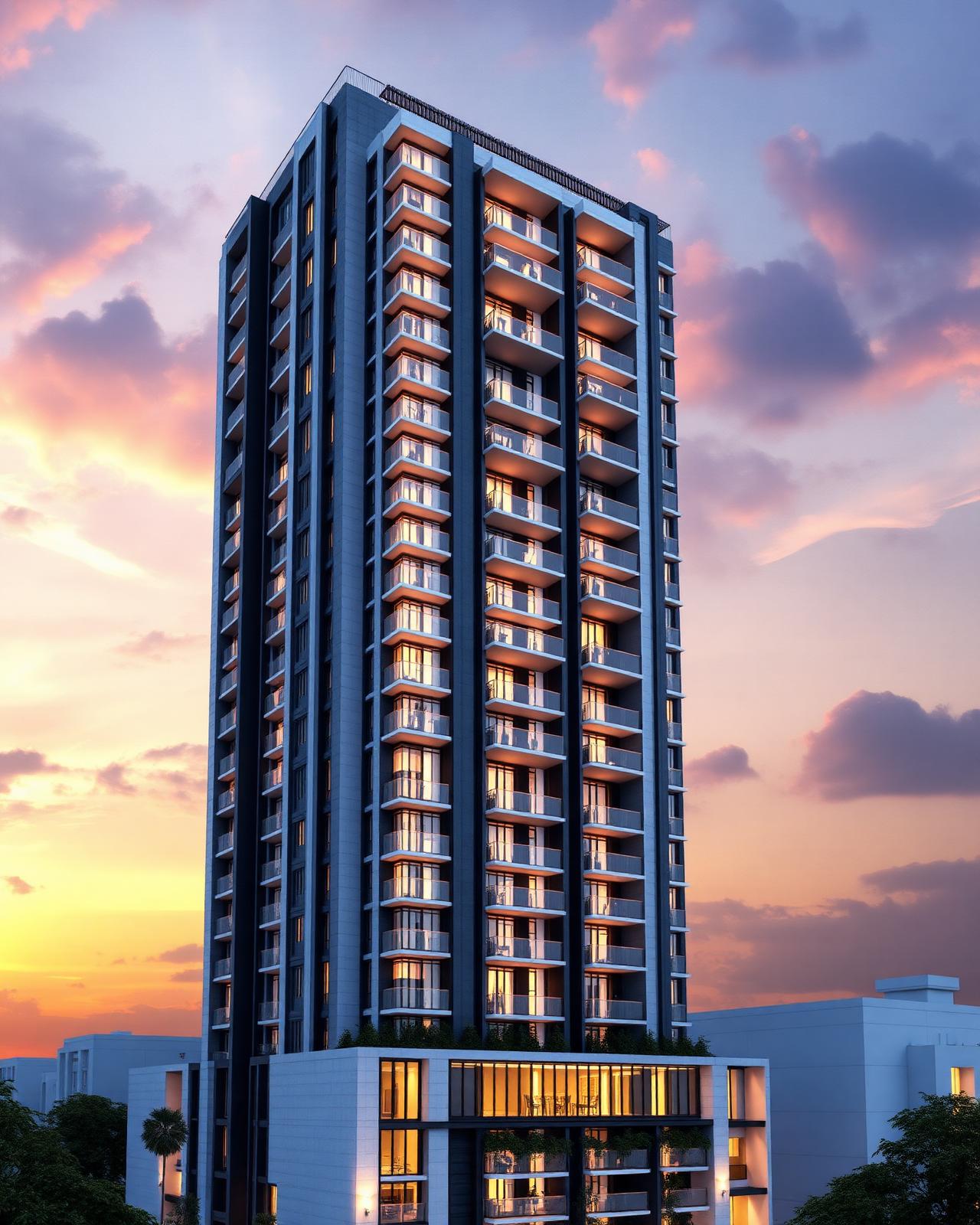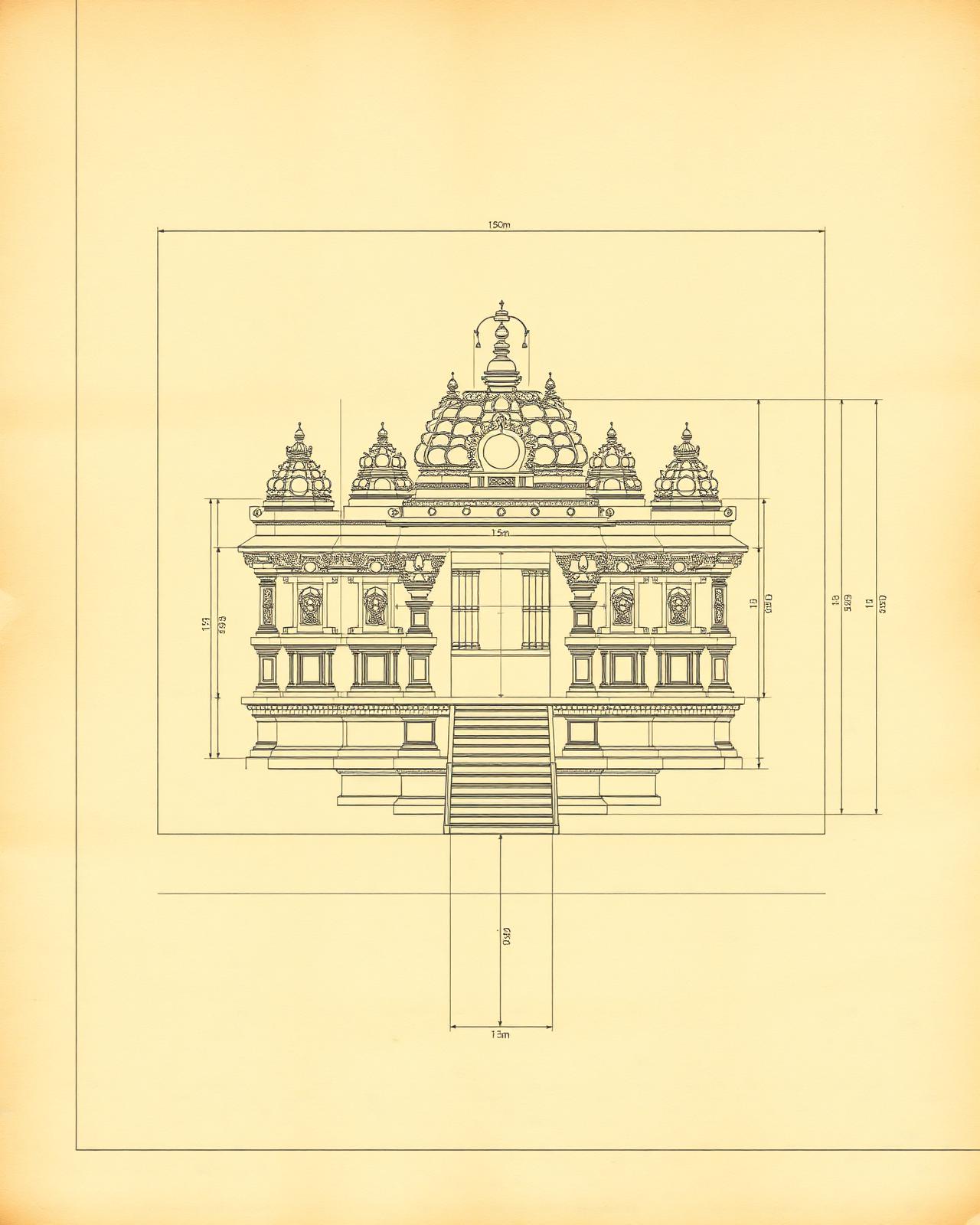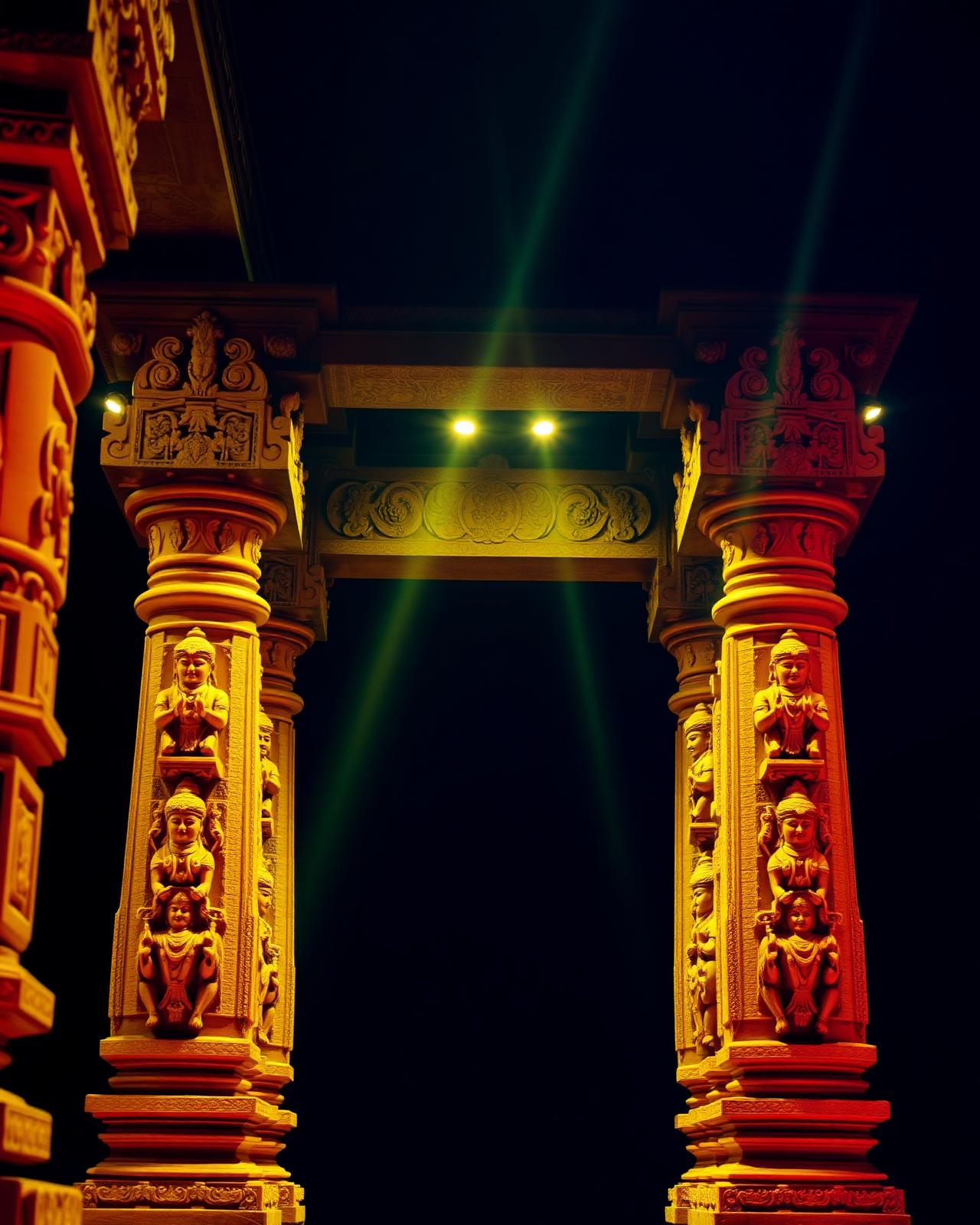
Architectural visualization is the craft of turning unbuilt designs into images a client can feel. Here's the full picture — formats, process, costs and where it's going next.
Architectural visualization — often shortened to “archviz” — is the practice of turning architectural designs into images, films and immersive experiences before a single brick is laid. It exists because drawings and CAD models, no matter how precise, don't communicate atmosphere. A floor plan tells you a room is twenty square metres. A photoreal render tells you what it feels like to stand in that room at six in the evening, with the last sun catching the timber on the back wall.
Used well, architectural visualization shortens the gap between a designer's intent and a client's decision. It is how modern studios sell ambitious projects, win competitions, secure planning consent and pre-let buildings months before completion.
Defining architectural visualization
At its core, architectural visualization is a communication discipline that uses 3D modelling, lighting and rendering software to produce visual representations of architecture and interiors. It overlaps with — but is not the same as — 3D rendering, animation, virtual reality and immersive design. Rendering is one output of the visualization process; a still image produced by a render engine. Visualization is the broader craft: deciding what to show, from what angle, in what light, at what time of day, to which audience, and to what end.
A useful working definition: architectural visualization is the deliberate translation of architectural intent into visual media that an audience can interpret without specialist training. The audience matters. A render aimed at a planning committee answers different questions than one aimed at a luxury property buyer.
The main formats of architectural visualization
Visualization is not one deliverable. It is a family of outputs, each suited to a different stage of a project and a different kind of decision.
Still renders (exterior and interior)
High-resolution images of a single moment — a building seen from the street, a kitchen at breakfast, a hotel lobby at dusk. Still renders remain the workhorse of the industry because they are the cheapest, fastest and most reusable format. A single image can live on a hoarding, a website, a sales brochure and an Instagram grid for the entire life of a project.
Animation and film
Sequenced renders stitched into camera moves, often paired with sound design. Films are powerful when the experience of a building unfolds over time — approaching a hotel through a forest drive, moving from a darkened lobby into a sunlit courtyard, watching a façade respond to the changing day.
360° panoramas and virtual tours
Spherical renders viewed in a browser or VR headset. Useful for sales suites, off-plan property and stakeholder reviews where the client wants to look around rather than be told where to look.
Real-time and interactive experiences
Game-engine builds of a project — Unreal Engine, Unity or twinmotion — that allow a user to walk freely, switch materials, toggle furniture layouts or compare design options live. Increasingly used on bespoke residential and major commercial schemes where decisions are made in the room.
AR and mixed reality
Overlaying the proposed building onto the real site through a phone or headset. Particularly effective for planning submissions and stakeholder engagement on sensitive sites.
How an architectural visualization is made
Every studio works slightly differently, but a typical photoreal render passes through six stages. The same workflow scales up to film and real-time work; what changes is the cost and the duration of each stage.
- Brief and reference. The client supplies drawings, the site context, material specifications and a clear statement of what the image needs to achieve. Without that statement, the rest of the process drifts.
- 3D modelling. The architecture, terrain and key context are built in software such as 3ds Max, Blender, SketchUp or Revit. Geometry accuracy matters most at this stage — sloppy modelling shows up in every later step.
- Materials and texturing. Surfaces are assigned physically based materials with the correct roughness, reflectivity and scale. A render lives or dies by its materials.
- Lighting. The sun is positioned for the chosen time and date, sky and ambient light are set, and interior fixtures are placed and dimmed. Lighting decisions carry more emotional weight than any other part of the process.
- Rendering. The render engine — V-Ray, Corona, Lumion, Unreal — calculates how every photon bounces through the scene. Production renders for a feature image typically take a few hours per frame on a render farm.
- Post-production. The raw render is colour-graded, populated with people and entourage, and finessed in Photoshop or After Effects. This is where a competent image becomes a memorable one.
Where most projects stall
Eighty per cent of revision rounds are caused by a brief that didn't pin down the camera, the time of day and the materials in writing. Spend an extra hour at the start and you save a week at the end.
When architectural visualization earns its keep
- Pre-sales and pre-lets — selling apartments, hotel rooms or office floors from a marketing suite before the building is finished.
- Planning and stakeholder consent — showing planners, neighbours and councils what a proposal will actually look like in context.
- Design development — testing facade options, material palettes and interior layouts on screen before committing to construction.
- Competition and pitch work — winning the appointment by making the jury feel the building, not just read it.
- Brand and editorial — supplying press, architecture journals and award submissions with the imagery they need.
What does architectural visualization cost?
Pricing varies enormously by scope, fidelity and turnaround, but the broad bands hold up. A single photoreal exterior still from a competent studio typically sits between £1,500 and £4,500. A high-end signature still for a luxury residence or hotel can run higher again. A 60-second cinematic film is usually a five-figure project. A real-time, interactive Unreal Engine experience is a bespoke quote — expect six figures for a flagship development.
We've written a full breakdown of pricing tiers in our separate guide to architectural rendering cost; the short version is that two factors dominate every quote. The first is fidelity — how close the image needs to sit to a photograph. The second is iteration — how many rounds of review are budgeted in. Both can be controlled at the brief stage and both are where projects most often blow up.
What separates a good visualization studio from a competent one
Photorealism is now a baseline expectation. Most established studios can produce a technically correct render. The differentiator is judgement — the choices a studio makes about composition, light, mood, entourage and crop. Those choices are why two studios working from identical drawings produce two completely different images, and why some studios are repeatedly commissioned by the world's leading architectural practices while others compete on price.
When evaluating a studio, look past the showreel and ask three questions. Do their images have a consistent point of view, or do they look like a portfolio of other people's tastes? Do their interior renders feel inhabited or staged? And do they push back on the brief when it's wrong? The studios worth hiring almost always do.
Where architectural visualization is going next
Three shifts are reshaping the discipline. Real-time engines have closed the gap with offline renderers to the point that many studios now deliver final images directly out of Unreal. AI-assisted workflows are accelerating ideation and post-production, though the core craft of judgement and lighting remains stubbornly human. And immersive deliverables — VR sales suites, AR planning submissions, configurable real-time builds — are moving from novelty to standard line-item on major projects.
What hasn't changed: clients buy with their feelings and justify with their reasons. The studio that consistently lands the feeling wins the work.
Frequently asked questions
What is the difference between architectural rendering and architectural visualization?+
Rendering is one output — usually a single still image — produced by a render engine. Visualization is the broader discipline that decides what to render, in what light, from which angle, for which audience, and which mix of stills, film and immersive media will best communicate the design. Every render is a piece of visualization; not every piece of visualization is a render.
How long does an architectural visualization take?+
A single photoreal still typically takes two to three weeks from brief to final, including two rounds of review. A 30 to 60 second film is six to ten weeks. A real-time interactive experience is usually a three to four month engagement. The single biggest accelerant or delay is the quality of the brief and the speed of client feedback.
Do I need finished drawings to start a visualization?+
No. A competent studio can begin with concept sketches, massing models or schematic CAD. The image will evolve as the design develops. What you do need is clarity on the materials and atmosphere you want the image to convey, even if the details aren't fixed.
Will photoreal rendering be replaced by AI?+
Not in the next several years for client-facing work. AI is excellent at ideation, post-production and quick concept boards, but high-fidelity architectural images still depend on accurate geometry, correctly scaled materials and intentional lighting — none of which AI alone reliably handles. The mature workflow is human studio in the loop, with AI accelerating specific stages.
Can I use architectural visualization for planning applications?+
Yes, and many planning authorities now expect it for larger schemes. The format that carries the most weight is verified-view (also called accurate visual representation, AVR), where the proposed building is composited onto a photograph of the site taken from a surveyed camera position. AR overlays are increasingly accepted for public consultation.
Work with the studio
Ready to commission a project?
Skanda Designs produces architectural visualization, 3D rendering and film for architects, developers and luxury brands worldwide.
Written by Skanda Studio · Architectural visualization team