Exterior stills, interior renders, films, VR. A working price guide for 2026, written from inside a studio — including the four factors that move every quote.
Architectural rendering cost is one of the first questions every architect, developer and property marketer asks — and one of the hardest to answer cleanly. Quotes for what looks like the same image can range from a few hundred dollars to north of ten thousand. That is not because the market is irrational. It is because the words “a render” cover everything from a quick concept board to a hero image that will sell a thirty-million-dollar tower.
This guide is written from the studio side. It sets out realistic 2026 price bands for the main formats of architectural rendering, explains what actually drives a quote up or down, and shows you how to brief a project so the number you receive is the number you pay.
The short answer
In 2026, a single photoreal exterior architectural rendering from an experienced studio typically costs between US$1,500 and US$4,500. Interior renders sit in a similar band, sometimes slightly higher for hospitality and luxury residential. A 30 to 60 second cinematic animation usually runs US$15,000 to US$60,000. A real-time, interactive Unreal Engine experience is almost always a bespoke six-figure engagement.
Below those bands are markets — offshore studios, junior freelancers, AI-only outputs — where stills can be had for under US$500. Above them is the signature tier, where flagship hotel, super-prime residential and competition images can reach US$8,000 to US$20,000 per frame. The price you should pay depends almost entirely on what the image needs to achieve.
Still renders: exterior and interior
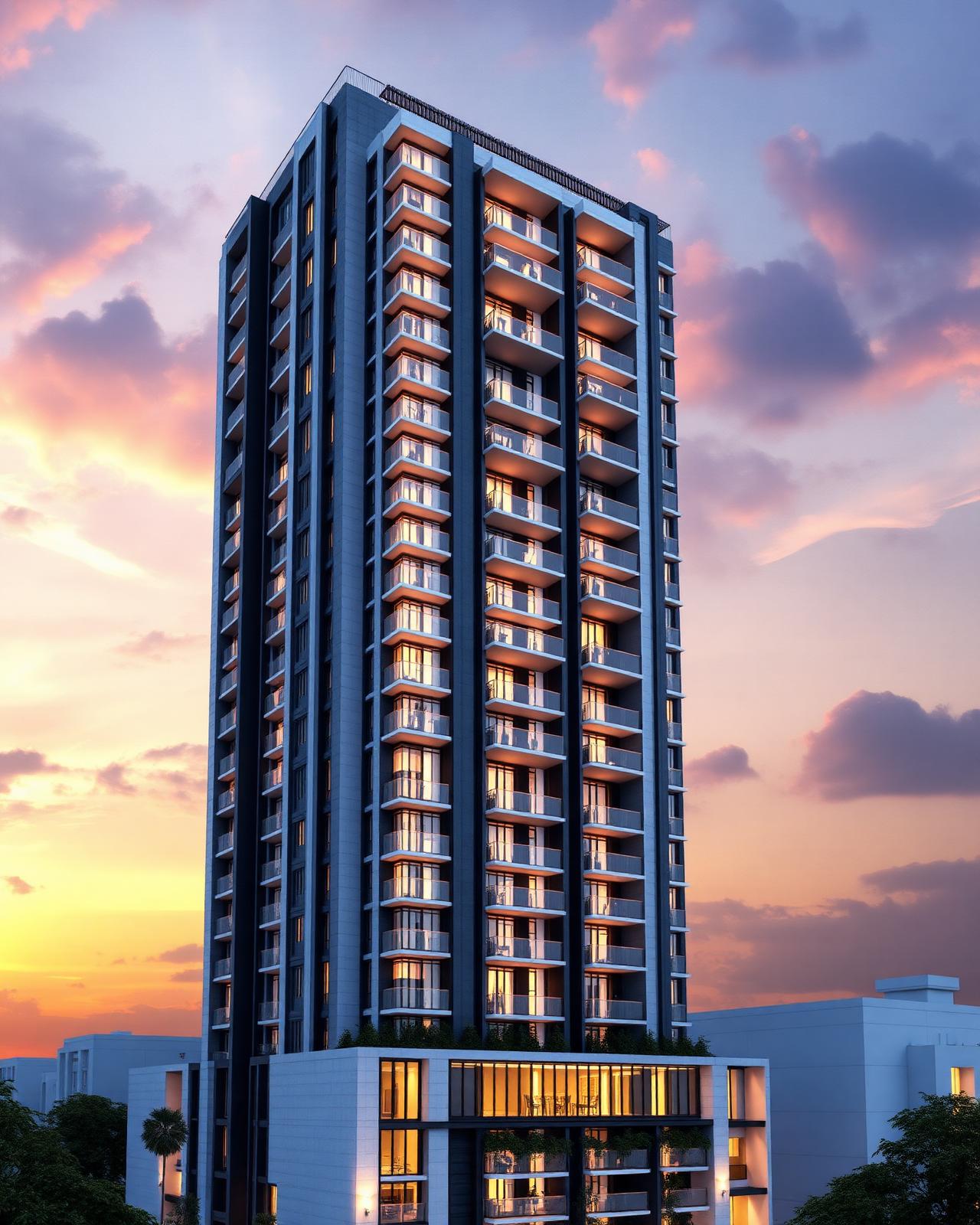
Exterior architectural rendering
An exterior render shows the building in its setting — usually a hero shot from the street, the approach or an aerial. Pricing tiers in 2026 look broadly like this:
- Budget tier (US$400 – US$1,200): offshore production, fast turnaround, generic entourage. Useful for early concept and planning preliminary work. Don't put it on a marketing campaign.
- Mid-market (US$1,500 – US$3,500): the working band for most architects, mid-size developers and property marketers. Photoreal, custom entourage, controlled lighting, two to three rounds of review.
- High-end (US$3,500 – US$6,500): hospitality, luxury residential and bid-winning images. Bespoke composition, hand-finished post-production, curated context, named studio sign-off.
- Signature (US$6,500 – US$20,000+): flagship hero images for headline schemes, competition shortlists and press launches. Custom camera, custom mood, often shot in the way a photographer would shoot a real building.
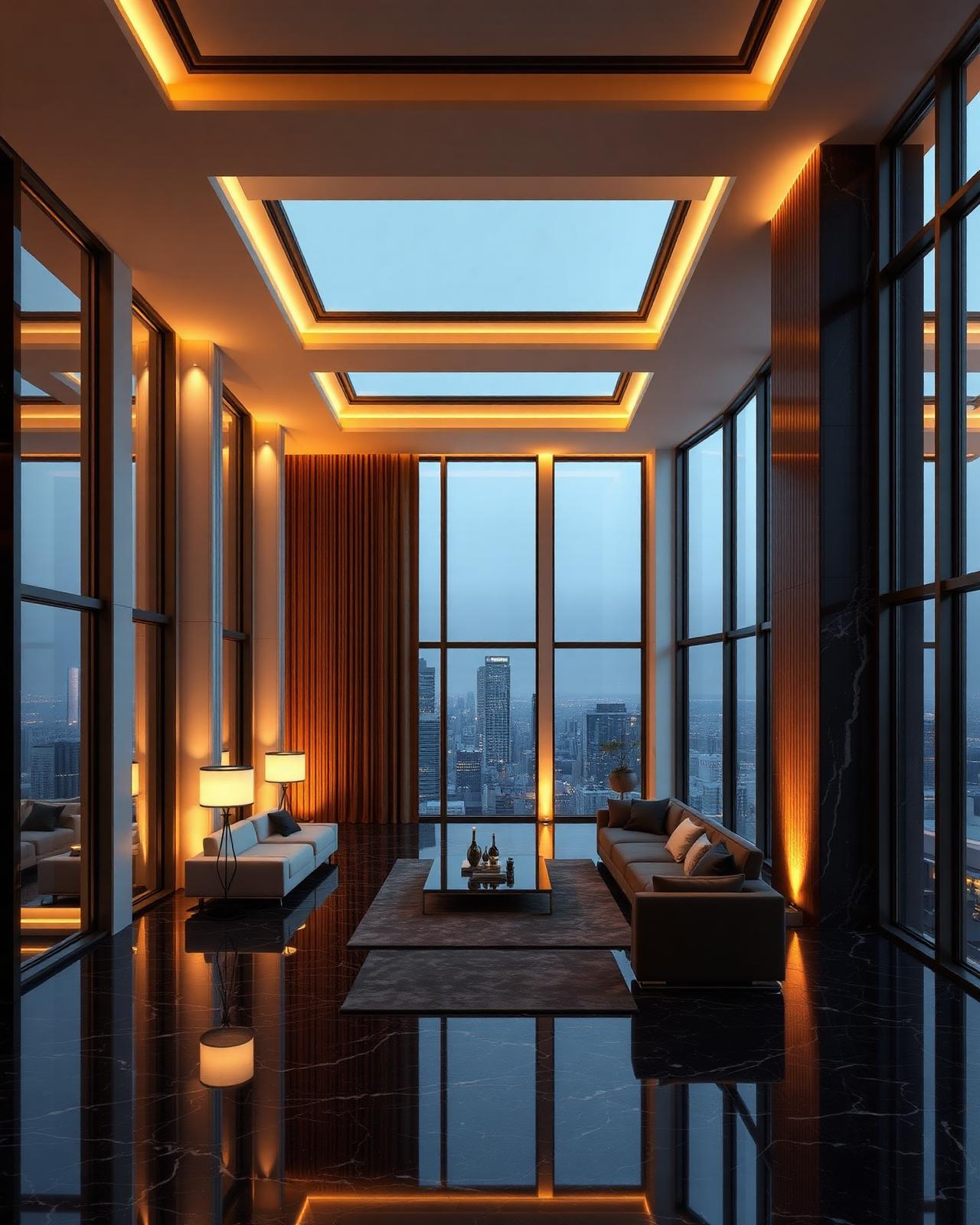
Interior architectural rendering
Interior renders price similarly to exteriors, with two adjustments. Hospitality and luxury residential interiors usually run 20 to 40 per cent higher than equivalent exteriors because of the material and lighting complexity. Volume projects — twelve apartment types for a single development, say — drop the per-image cost significantly: expect 30 to 50 per cent off the single-frame price once you cross five to six images on the same brief.
Rule of thumb
A studio that charges under US$800 for a photoreal still in 2026 is either offshoring, undercharging, or relying on AI without enough human craft on top. Any of those can work for ideation; none of them should be used for a public-facing campaign image.
Animation, film and walkthroughs
Animation prices scale with three things: duration, frame complexity and the number of camera moves. A studio quoting a flat per-second rate is hiding the actual variables, so use these 2026 ranges as a starting point and expect a tailored figure:
- Simple flythrough, 30 seconds, single environment: US$8,000 – US$18,000.
- Mid-tier cinematic, 45 to 60 seconds, multiple environments, music and sound design: US$18,000 – US$45,000.
- Signature launch film, 60 to 120 seconds, narrative cuts, characters, original score: US$45,000 – US$120,000+.
- Per-second add-on (extending an existing film): US$300 – US$1,200 depending on tier.
Film is where briefs most often quietly inflate. Adding a second environment, a new time of day or a tracked character to an existing sequence routinely doubles the render budget. Decide the cut before you sign the quote.
VR, real-time and interactive experiences
Real-time architectural visualization — usually built in Unreal Engine — has moved from novelty to standard line item on major developments. Pricing in 2026:
- 360° panoramic still (web or VR headset): US$1,500 – US$3,500 per panorama.
- Pre-baked VR tour of a single apartment or floor: US$8,000 – US$25,000.
- Interactive Unreal Engine sales experience (configurable layouts, materials, views): US$60,000 – US$250,000+.
- AR planning overlay (proposed building composited onto site through phone or headset): US$10,000 – US$60,000 depending on accuracy and number of viewpoints.
Real-time work is priced as software engineering, not as imagery. Expect a discovery phase, a build phase and ongoing maintenance, the same way you would scope any bespoke application.
The four things that actually move a quote
If you understand these four levers, you can predict any quote within about twenty per cent before the studio sends it.
1. Fidelity
How close does the image need to sit to a photograph? A schematic massing image is a different product to a photoreal hero. The two can share a model but the production time differs by a factor of five to ten. Decide which one you are buying before you ask for a price.
2. Source material
Studios price against what you give them. A clean Revit or ArchiCAD model with named materials and a current site survey takes a quarter of the modelling time of a PDF set with conflicting elevations. Sloppy source material is the single most common reason a quote sits at the top of its band.
3. Iteration
Two rounds of review is standard. Three is comfortable. A fourth or fifth round usually means the brief was not pinned down at the start, and it is where projects quietly haemorrhage budget. Every additional round on a high-end still costs the studio roughly half a day of senior time — and that gets passed through.
4. Turnaround
A standard timeline for a single photoreal still is two to three weeks. Compress that to five working days and you should expect a 30 to 50 per cent rush premium. Compress it to 48 hours and most reputable studios will politely decline.
Where you can legitimately save money
- Bundle the brief. Five images commissioned together routinely come in 30 to 40 per cent cheaper per frame than five images commissioned one at a time.
- Lock the camera. Camera changes after lighting is set are the single most expensive revision. Approve the camera and crop in greyscale before the studio commits a render slot.
- Reuse assets. A second pass of an apartment with new furniture and lighting is a different image and costs accordingly, but it should be 40 to 60 per cent of a from-scratch quote.
- Decide the time of day early. Dawn, day, dusk and night are not interchangeable — each requires its own lighting pass. Pick one.
- Send a clean model. If your design team can deliver a tidy 3D source, say so. Many studios will discount accordingly.
Where saving money is a false economy
Three places. The first is post-production. The difference between a competent render and a memorable one almost always lives in the last ten per cent of the work, and that ten per cent is what the budget tier cuts. The second is materials. A studio that uses generic material libraries on a luxury brief produces images that look generic; this is non-negotiable for hospitality and high-end residential. The third is the brief itself — paying a studio to interpret a vague brief is more expensive than paying them to execute a clear one.
Where does AI fit in?
AI image tools have collapsed the cost of concept boards and mood frames. A studio producing client-facing renders in 2026 almost certainly uses AI in early ideation and in parts of post-production. What AI has not done is replace the underlying craft of accurate geometry, scaled materials and intentional lighting. For a planning submission, a sales brochure or a public hero image, the production workflow is still human studio in the loop. Pricing for finished work has come down at the budget end and barely moved at the signature end, because the work that justifies signature pricing is exactly the work AI does not yet do well.
How to brief for the price you want
A useful brief, sent at the same time as the request for quote, will save you more money than negotiating ever will. State the deliverable count, the camera positions, the time of day, the materials, the audience for the image, the deadline and the number of revision rounds you are willing to pay for. If you can supply CAD, say so. If you have reference images that capture the mood, attach them. A studio that receives this brief will quote inside a tight band; one that has to fish for half of it will quote wide and high.
If you are evaluating studios for an upcoming project, we are happy to scope and price your brief — typically within 48 hours of receiving it.
Frequently asked questions
How much does a single architectural rendering cost in 2026?+
A photoreal still from an experienced studio typically costs US$1,500 to US$4,500. Budget-tier or offshore work can be had below US$1,000 but is usually not appropriate for marketing or planning use. Signature-tier hero images for hospitality, super-prime residential and competition work range from US$6,500 to US$20,000+ per frame.
Why do architectural rendering quotes vary so much?+
Four factors dominate every quote: fidelity (how close the image must sit to a photograph), source material (clean CAD vs. PDFs), iteration (how many rounds of review are included), and turnaround speed (rush jobs carry a 30 to 50 per cent premium). Two studios quoting the same brief differently are almost always reading those four factors differently.
Is it cheaper to commission multiple renders at once?+
Yes. A package of five or more images on a shared model and brief is typically 30 to 40 per cent cheaper per frame than the same images commissioned individually, because modelling, materials and lighting setup are amortised across the set.
How much does a 60-second architectural animation cost?+
A mid-tier 60-second cinematic with multiple environments, sound design and music typically costs US$18,000 to US$45,000 in 2026. Simple single-environment flythroughs of the same length start nearer US$10,000; signature launch films with narrative cuts and characters routinely cross US$80,000.
Has AI made architectural rendering cheaper?+
At the budget end, yes — concept boards and mood frames are now produced far faster and at lower cost. At the signature end, prices have barely moved, because the craft of accurate geometry, correctly scaled materials and intentional lighting is exactly what AI alone does not yet do reliably. A working 2026 studio uses AI in ideation and post-production while keeping a human in the loop for everything client-facing.
How long does an architectural rendering take?+
Two to three weeks is standard for a single photoreal still, including two rounds of review. Five working days is achievable but carries a rush premium of roughly 30 to 50 per cent. Anything under 48 hours is unrealistic for studio-grade work; if you need it that fast, you are buying a different product.
Work with the studio
Ready to commission a project?
Skanda Designs produces architectural visualization, 3D rendering and film for architects, developers and luxury brands worldwide.
Written by Skanda Studio · Architectural visualization team